
 By
By 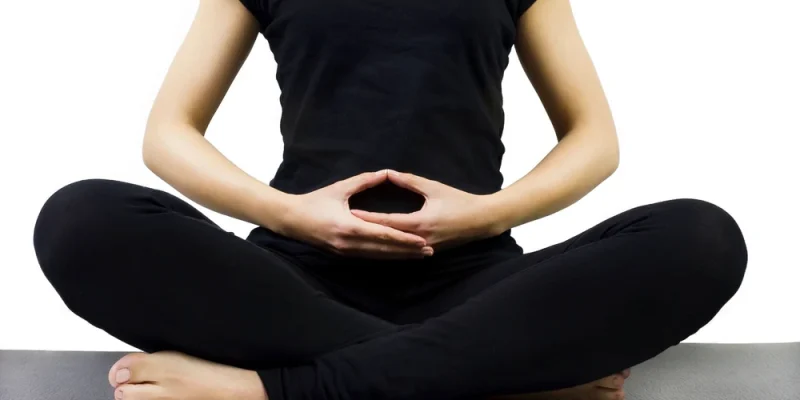
In our current fast-moving society, psychological pressure is an incredibly common challenge. When faced with demanding work schedules, family responsibilities, and constant digital notifications, the human body frequently struggles to find moments of genuine rest. This continuous state of alertness can leave you feeling constantly fatigued, emotionally brittle, and mentally clouded.
To counteract these everyday pressures, it is essential to look beyond temporary distractions and focus on direct physiological regulation. By learning how to consciously guide your respiratory patterns, you can gain immediate control over your body’s stress responses, restoring a sense of grounded stability.
The Biological Connection Between Breath and Balance
Your autonomic nervous system is split into two primary divisions: the sympathetic branch, which drives your fight-or-flight instincts, and the parasympathetic branch, which governs your rest-and-digest functions. When you experience sudden psychological pressure, the sympathetic system takes over, causing your heart rate to rise and your breathing to become shallow.
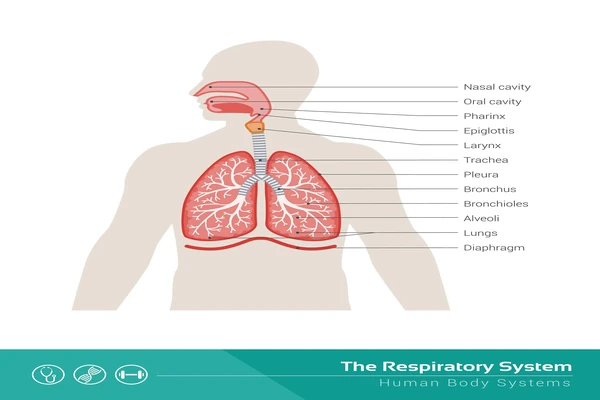
The respiratory anatomy involved in deep breathing. Source: elenabs / Getty Images
As shown in the anatomical diagram above, the diaphragm sits directly beneath the lungs. When you practice shallow chest breathing, this muscle remains underutilized, which sends continuous distress signals to the brain. Conversely, pulling your breath deep into the base of the lungs forces the diaphragm downward, stimulating the vagus nerve and instantly signaling your brain that it is safe to relax.
Reclaiming Control of Your Autonomic Nervous System
Establishing a highly consistent routine is the most reliable way to build long-term psychological resilience. For many people, finding the structure to practice these methods amidst a chaotic week is the main hurdle. Utilizing specialized mobile utilities can provide the necessary framework to maintain your consistency.
Integrating a reliable habit tracker or mindfulness application like Deep Breathing into your daily schedule simplifies this process. These tools offer visual breath pacers, interval bells, and tracking statistics that help you stay accountable to your personal wellness practices over time.
Highly Effective Breath Control Methods
You can utilize several structured breathing patterns to quickly shift your internal state. These methods require no prior training and can be performed anywhere you have a few minutes of quiet:
- Box Breathing: Inhale for four seconds, hold for four seconds, exhale for four seconds, and hold empty for another four seconds to stabilize neural activity.
- The 4-7-8 Technique: Inhale through the nose for four seconds, hold for seven seconds, and exhale completely through the mouth for eight seconds to lower your resting heart rate.
- Alternate Nostril Breathing: Gently closing one nostril at a time during inhalation and exhalation to balance the left and right hemispheres of the brain.
Structuring a Sustainable Meditation Habit
Once your physical body has settled through controlled respiration, your mind becomes far better prepared for stillness. Meditation is not about forcing your thoughts to disappear entirely; rather, it is about learning to observe your internal monologue without automatically reacting to it.
To maximize the impact of your quiet reflection, maintain an upright, relaxed posture as shown in the visual reference. This alignment keeps your airways completely unobstructed, allowing the breath to flow naturally while you focus your attention on the present moment.
Overcoming Internal Obstacles to Stillness
When you first begin a quiet mental practice, it is entirely normal for your brain to feel highly restless. This restlessness is simply the accumulated momentum of your busy day losing speed. Instead of feeling frustrated by distracting thoughts, view each distraction as an opportunity to gently guide your focus back to your breathing pattern.
Over time, this deliberate training builds a highly resilient mind. By relying on a comprehensive wellness platform like Anxiety, you gain immediate access to thousands of custom sessions, specialized courses, and global support groups tailored to helping you navigate emotional overwhelm and rebuild a peaceful interior life.
Conclusion
Utilizing deliberate respiration and structured mental focus provides you with a direct, biologically proven pathway to emotional stability. By shifting your attention away from external demands and centering it on your physiological state, you actively train your nervous system to remain steady during difficult moments. Committing to this internal practice daily ensures that you can always return to a reliable core of mental clarity, no matter how chaotic your outer environment becomes.
Frequently Asked Questions
What should I do if deep breathing makes me feel lightheaded?
If you feel slightly dizzy, you may be breathing too rapidly or deeply for your current carbon dioxide balance. Return to your normal breathing rhythm for a minute, and then resume your practice with gentler, slower inhalations.
How many times a day should I practice these methods?
Practicing once or twice a day for 5 to 10 minutes is an excellent baseline. However, you can also utilize these breathing patterns as an acute tool whenever you feel a sudden surge of physical or mental pressure during your workday.
Can I meditate sitting in a traditional chair instead of on the floor?
Absolutely. Physical comfort is essential for maintaining focus. Sit with your feet flat on the floor, keep your spine relatively straight, and rest your hands comfortably on your thighs to achieve the ideal alignment.
How long does it take to experience lasting changes in my stress levels?
While physical markers like heart rate can drop within two minutes of deep breathing, lasting changes in emotional resilience typically develop after two to three weeks of consistent daily practice due to neuroplastic modifications in the brain.










Comments