
 By
By 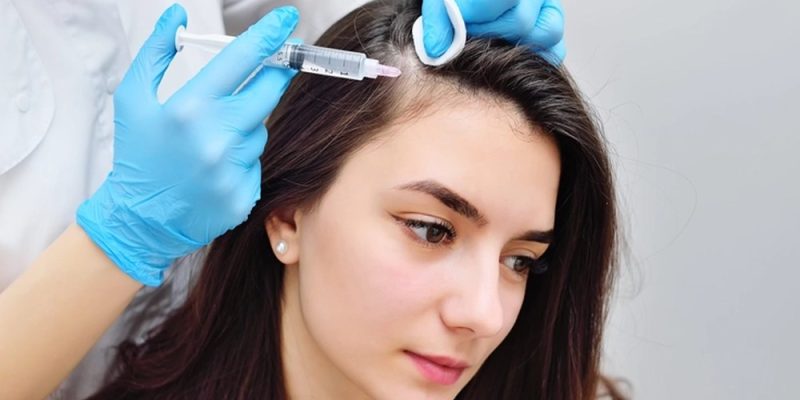
The hair restoration has developed greatly over the years with more sophisticated, accurate and user friendly solutions than it was before. As the need of hair transplant is rising nowadays, the clinics are embracing the use of modern methods that would give them the natural look with minimal pain and absence of downtime.
Learning the most recent hair transplant methods can assist you in making a well-informed choice and select the methodology that will best fit your interest. As part of this blog, we will discuss the procedures that are defining the future of hair restoration.
Hair Transplant Technology
The use of conventional hair transplant procedures also tended to leave behind noticeable scars and artificial hairlines. Medical technology however has changed the process to being a sophisticated and very accurate process. The modern methods are concerned with:
- Minimally invasive procedures
- Increased graft survival.
- Natural hairline design
- Faster recovery
This has transformed hair transplant to be more efficient and available to more patients.
Follicular Unit Extraction (FUE)
FUE Hair Transplant is one of the most popular and common methods of hair transplantation today. It is a process that is done to the area where the hair is growing and removal of individual hair follicles is done and then planted in the recipient area. Recent developments in FUE are:
- Micro-punch instruments used to do accurate extraction.
- Less harm to adjacent tissues.
- Quick recovery and less scarring.
FUE is suitable where the patients seek a less invasive surgery and natural appearance with fast recovery rates.
Direct hair implantation (DHI)
DHI is a complicated form of FUE that attaches attention to precision and control during the implantation procedure. It involves a special device called Choi implanter pen with which hair follicles are inserted directly into the head. The main advantages of DHI are:
- Increased precision of hair placement.
- Greater angle and direction control.
- Greater concentration in the target areas.
This method is especially effective to get detailed hairlines and a high-density effect.
Sapphire Blade Hair Transplant Technique
Sapphire Blade hair transplant is an upgraded form of the original FUE. Rather than employing steel blades, it employs sapphire blades to establish recipient sites. Benefits of Sapphire FUE:
- Smaller and narrower incisions.
- Reduced tissue damage
- Faster healing process
This is an improvement in the overall quality of the results and is gaining popularity in progressive clinics providing hair transplant.
Robotic Hair Transplant
One of the new technological advancements in the field is robotic-assisted hair transplantation. It involves artificial intelligence and robotics to help in the extraction of follicles. Key features include:
- Much accuracy in harvesting grafts.
- Reduced human error
- Consistent results
Although a surgeon remains a vital part of the process, robotic technology is still more precise and efficient, particularly when it comes to large operations.
Combination Techniques (FUE + FUT)
When there is widespread loss of the hair, the surgeons can use a combination of procedures to maximize the availability of the grafts. FUE and FUT can be combined to enable more grafts to be obtained during a session. This method is especially useful when it comes to:
- Patients those are bald.
- Those that need dense coverage.
The combination methods guarantee the best utilization of the donor region and natural outcomes.
Body Hair Transplant (BHT)
Body hair transplantation is an alternative to scalp hair transplantation to patients who have limited scalp hair. The hair is removed in parts like the beard, chest or arms and placed on the head.
Body hair can also vary in its texture, but good surgeons can employ it to their advantage to increase density and coverage. The technique has increased the number of patients who could not be deemed as having suitable hair transplantation.
Influence on the cost of hair transplant
The incorporation of innovative methods has impacted the cost of hair transplant. The modern techniques related to special equipment, more accuracy and more technology can be more expensive. Cost factors include:
- Technique used
- Grafts needed.
- Surgeon’s expertise
- Clinic infrastructure
Advanced techniques can be more expensive, but can be more effective, quicker and easier and give the patient a better experience.
Selection of Appropriate Technique
The choice of the appropriate technique also depends on such factors as:
- Extent of hair loss
- Donor area quality
- Density and hairline desired.
- Budget
Professional consultation assists in establishing the best strategy depending on your needs.
Final Thoughts
Hair transplantation has been developed extensively, and a variety of techniques can be offered to meet various requirements and expectations. FUE and DHI are robotic and regenerative; each of the approaches has its advantages. In case you are thinking of having a Hair Transplant, then read about these new methods and decide accordingly.
Assessing the price of the hair transplant and the price being offered will also make sure that you settle on the best solution of the hair transplant in the long run. In the hands of a skilled practitioner, contemporary hair transplant can provide both natural and permanent effects-easing your hair loss as well as your hesitations.






Comments